By Apratim Sarkar
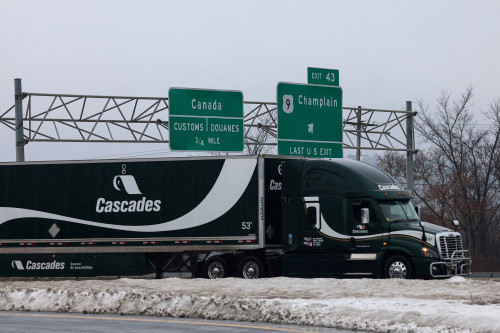
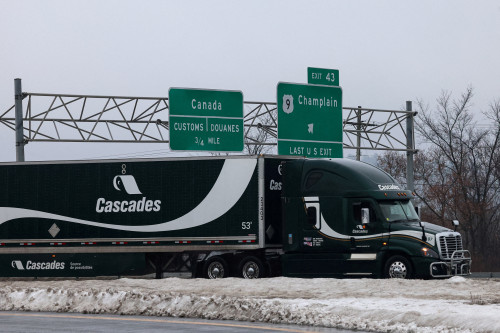
March 5 (Reuters) – U.S. railroads including CSX Corp, Union Pacific and BNSF are moving to recapture freight from truckers as tightening trucking capacity and rising road-haul rates bolster rail’s competitive position.
For years, low trucking rates and greater flexibility helped road carriers capture cargo that might otherwise have moved by rail, weighing on rail volumes and limiting pricing power.
That dynamic is now shifting, at least temporarily.
Freight broker C.H. Robinson said trucking capacity is shrinking as small carriers exit the market and federal scrutiny of driver licensing, safety and insurance requirements intensifies.
The added pressure is reducing driver supply and raising operating costs.
National van spot rates rose to $2.43 per mile in February from $2.03 a year earlier, according to DAT Freight & Analytics, a benchmark for spot-market pricing.
Railroads do not publish standardized spot rates, making direct comparisons difficult.
“A tightening truckload market has the potential to support domestic intermodal volumes and pricing, particularly on shorter average length-of-haul routes where competition with over-the-road trucking is typically most intense,” BMO Capital Markets analyst Fadi Chamoun said.
Intermodal freight, cargo moved in containers that can be transferred between ships, trucks and trains, is a key battleground between the two sectors.
KEY BENEFICIARIES
Chamoun said eastern railroads CSX Corp and Norfolk Southern could benefit disproportionately because of their heavier exposure to intermodal traffic in densely populated corridors.
CSX told Reuters that converting freight from trucks remains a priority for its intermodal business. After years of excess highway capacity, it now sees opportunities to capture profitable volumes.
The company said it was expanding terminals and working with port authorities to develop inland hubs closer to end markets.
Union Pacific Chief Financial Officer Jennifer Hamann told investors at a Barclays conference that the industry leader expects about 75% of new business growth to be “coming off the highway.”
The company added that its pending acquisition of Norfolk Southern, creating the first coast-to-coast rail network, could eventually remove about 2 million trucks from U.S. roads.
Berkshire Hathaway-owned BNSF said it has invested in terminal expansions in Chicago, Dallas-Fort Worth and Phoenix to prepare for a potential rebound.
“Both new shippers and our large traditional customers are leaning more on rail for capacity, cost advantages and sustainability benefits,” Jon Gabriel, group vice president of consumer products, told Reuters.
He estimated that a significant share of the railroad’s expected growth will come from freight shifting off highways, citing the Los Angeles-Chicago corridor as a key driver.
STRUCTURAL SHIFT – OR CYCLICAL
Drew Roy, director of intermodal at freight broker Traffix, said what first appeared to be a seasonal tightening in trucking capacity may reflect a deeper shift.
“A few weeks ago I would have said this was seasonal. But with the loss of CDL (Commercial Driver’s License) drivers across the U.S., I think we’re seeing a structural shift,” he said, noting capacity began tightening in mid-January as winter storms hit and spot rates climbed.
Intermodal rail typically needs about a 15% cost advantage to win freight, Roy said, but as truck rates rise, rail becomes competitive on more routes, including on hauls as short as 750 miles.
Still, he cautioned the advantage may not last.
“It’s a cyclical business,” Roy said, noting that as truck capacity loosens, pricing power usually swings back towards highways.
(Reporting by Apratim Sarkar; Editing by Tasim Zahid)