June 18, 2026
The Finish Line Keeps Moving. Here’s Why
Featured: Should Tesla Buy Uber?
There’s a moment people don’t plan for.
You’re older than you expected to be at work. The retirement date is still technically there – just further away than it used to be.
And it didn’t move once. It moved slowly. Then repeatedly. Until it became normal.
That’s what structural pressure on you looks like in real life.
Not collapse. Drift.
The drift is real. And what’s causing it was always out of your hands.
You’re not falling behind – you’re adjusting. You’re being realistic. Responsible.
Until you look up and realize the life you were building toward has become a smaller one.
More time spent working. Less time living the retirement you actually planned for.
That’s not bad luck. That’s not a personal failure. That’s what happens when the environment your retirement depends on changes – without you ever being told.
Here’s how much this is costing you – and what you can do about it.
Best,
Garrett Goggin, CFA, CMT
Lead Analyst and Founder, Golden Portfolio
P.S. Your drift feels like adjustment. The cost shows up later – as the retirement you didn’t get to live. There’s still time to change that – but not much.
Should Tesla Buy Uber?
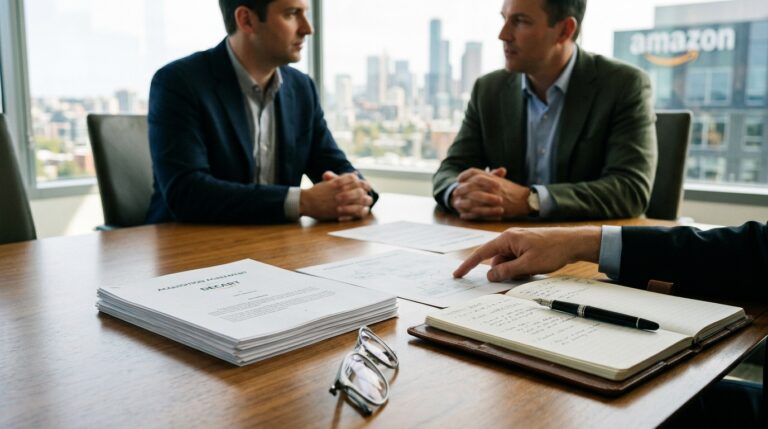
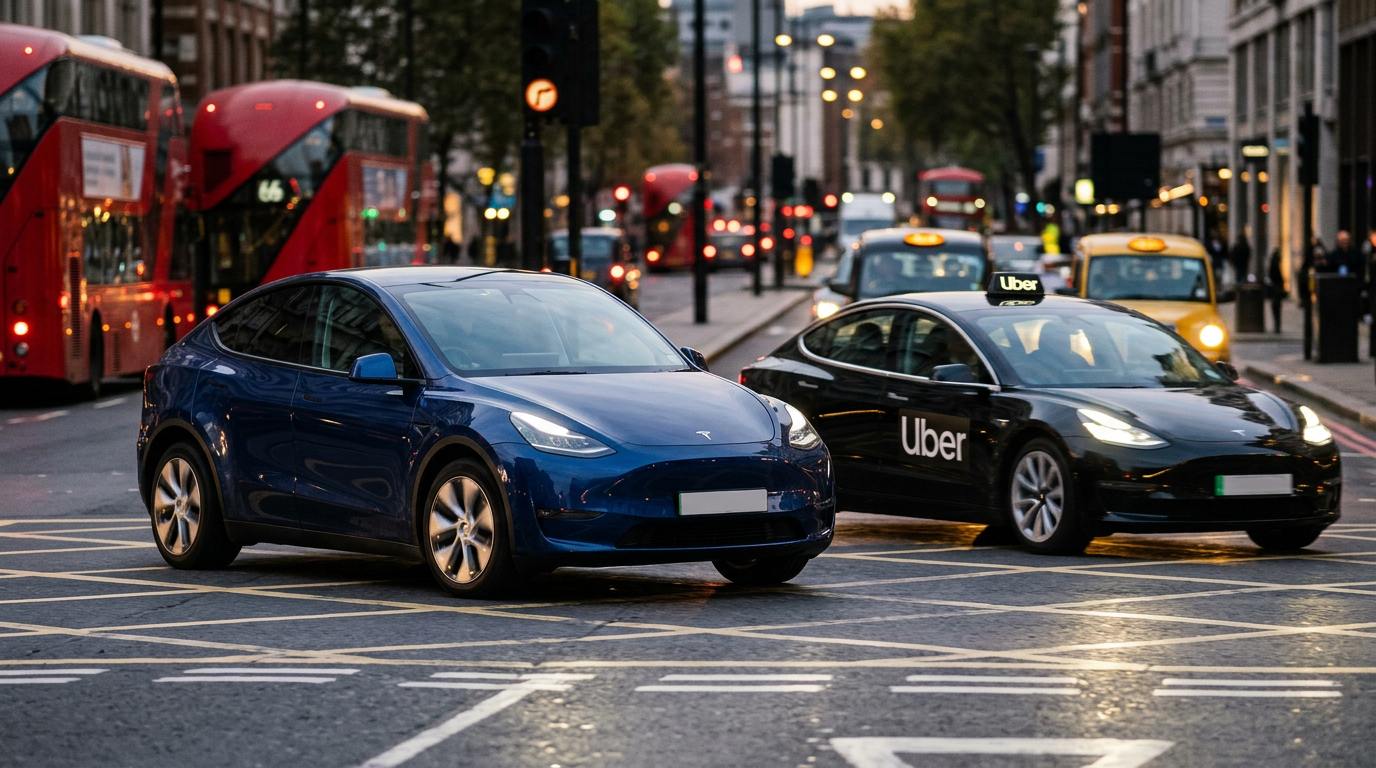
Here’s a thought experiment worth taking seriously: what if Tesla didn’t build a robotaxi network from scratch — what if it just bought one?
A hypothetical Tesla acquisition of Uber would be, by most measures, the most structurally aggressive move in the history of consumer transportation. Not because of the price tag — though at Uber’s current market cap north of $150 billion, it would be historic — but because of what Tesla would actually be buying. Not drivers. Not cars. Infrastructure. Demand. A global routing engine with over 130 million active users across 70+ countries. That’s the piece Elon Musk can’t manufacture in Fremont.
The strategic logic is almost uncomfortably clean. Tesla’s Full Self-Driving program has logged hundreds of millions of miles of real-world data. The technology is closing in. The missing variable has always been deployment at scale — the cold-start problem of building consumer trust, city-by-city, trip-by-trip. Uber solves that overnight. You don’t need to convince riders to try a robotaxi. You just swap the driver out.
The margin math is where it gets interesting. Uber’s current take rate hovers around 28–30%, with a significant portion absorbed by driver payouts. Remove the human driver, and that cost structure collapses in Tesla’s favor. Fleet maintenance, handled vertically. Energy costs, offset through Tesla’s own charging network. The unit economics of a fully autonomous Uber trip run on Tesla hardware are genuinely unlike anything the ride-share model has ever seen.
Slight tangent, but it matters: the regulatory angle here is underappreciated. A unified, centralized data network of billions of autonomous trip miles doesn’t just accelerate FSD improvement — it gives regulators a single point of accountability. That’s actually easier to approve than a fragmented ecosystem of competing AV operators all submitting different safety frameworks.
Lyft, Waymo, and traditional automakers would feel this immediately. None of them have the vertical stack — vehicle, software, energy, and now demand — under one roof.
This is hypothetical. But the most disruptive deals always sound absurd until they’re done.
For informational and educational purposes only. Not investment advice. Trading involves risk, including loss of principal.