September 20, 2026
Bonus Content: Venezuela’s 65 Billion Barrels Cannot Fix a Hormuz Shock
Before you place another trade…
…make sure you use this 5-part formula that makes every trade a SAFE trade:
Why are we giving this away?
Because we think you’ll love it so much that you’ll come back to us down the road for more advanced training.
Make sense?
Click here to download the Safe Trade Options Formula…
Good Trading,
Bill Poulos
P.S. Take 5 seconds and get your free copy of the “Safe Trade Options Formula” right now before you close this email.
Venezuela’s 65 Billion Barrels Cannot Fix a Hormuz Shock
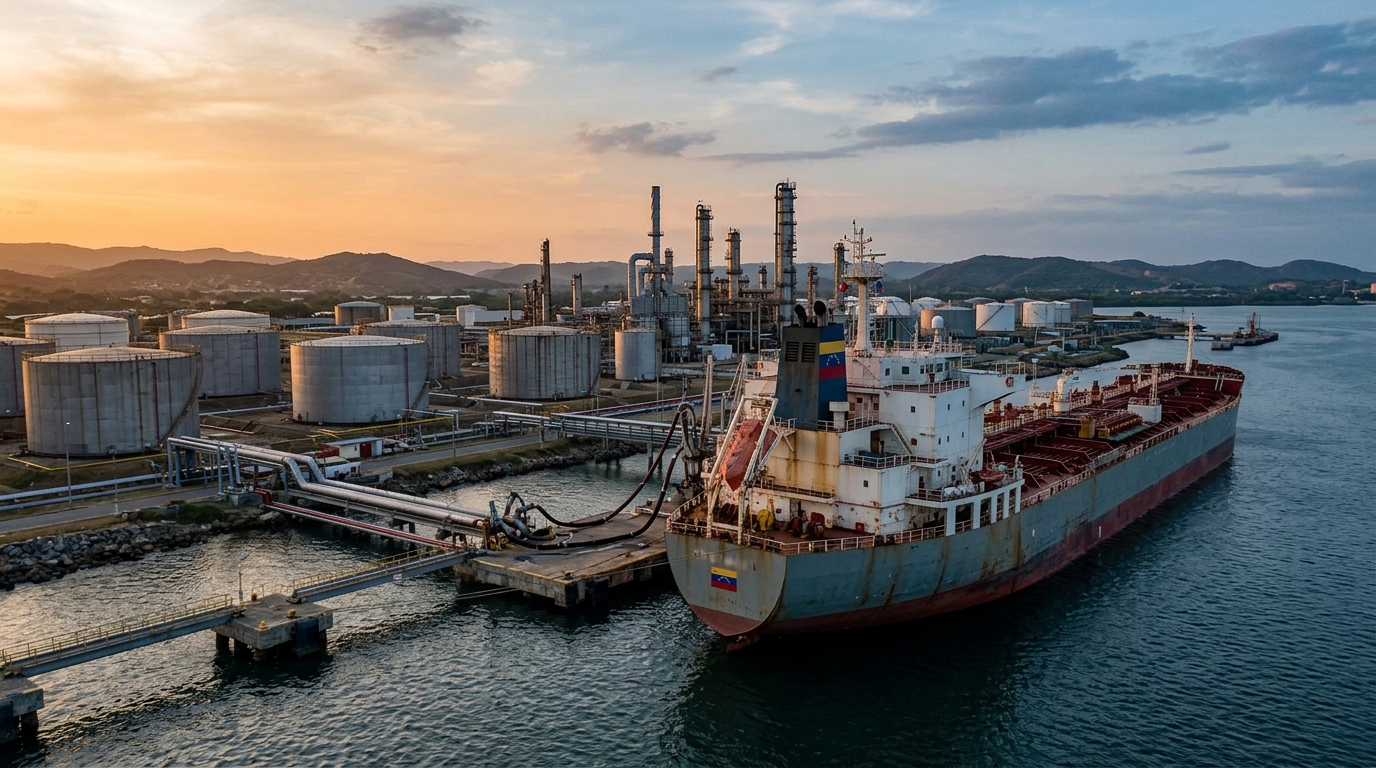
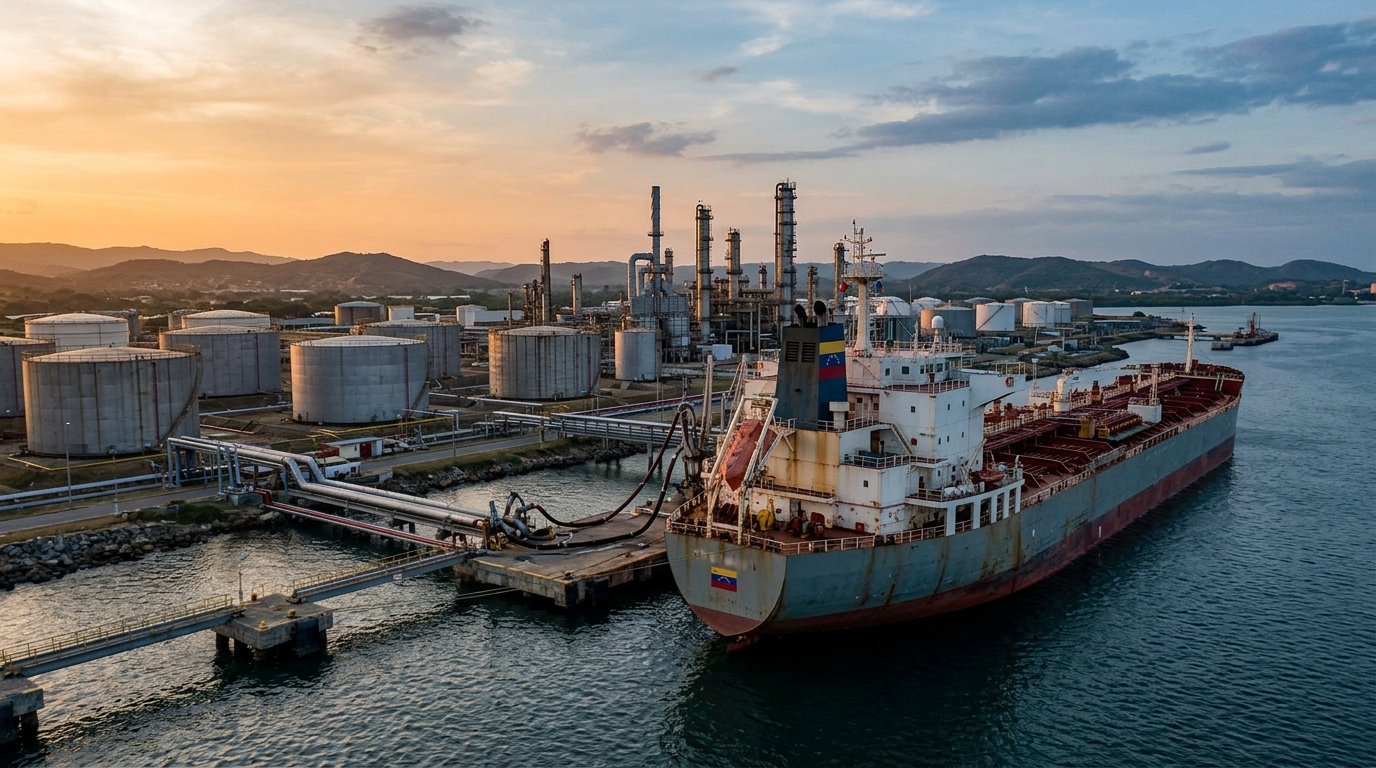
On August 28, President Trump called it the biggest oil deal in world history: U.S. majority control over 65 billion barrels of Venezuelan reserves, accompanied by a promise to “substantially lower gas prices for all Americans.” Three weeks on, the national average sits around $4.48 per gallon, up roughly $1.30 from about $3.15 a year earlier. The deal has not moved fuel prices in any meaningful direction. Understanding why requires working through three compounding structural barriers, none of which the Venezuela transaction resolves.
Reserves on Paper, Not in Pipelines
The 65 billion barrels figure is a reserve estimate, not a production number. The deal involves development of 17 fields with a proven potential of 65 billion barrels, and the agreement could draw $100 billion in investment into Venezuela’s oil industry. Much of the acreage is greenfield. What remains is brownfield, deteriorated across two decades of Chavez-era underinvestment and Maduro-era collapse. Rystad Energy’s assessment puts the capital requirement to reach 3 million barrels per day at roughly $183 billion, with meaningful production growth unlikely before the 2030s.
Analysts say consumers should expect a long road between the initial investment and the ultimate production of oil, factoring in “several quarters and, in quite a few cases, years,” with benefits seen “mostly in the medium-long term.” What is moving today is Venezuelan crude flowing to U.S. ports, but against a global market consuming a little over 100 million bpd, that volume registers as noise. The crude itself adds another layer of difficulty: analysts say Venezuelan crude is hard to extract and refine, and likely cannot replace oil supplies stuck in the Strait of Hormuz.
The Processing Ceiling Is Already Reached
Even if Venezuelan barrels could arrive in unlimited quantities tomorrow, the U.S. refining system has no room left to convert them. U.S. refinery utilization reached 97.2% of operable capacity as of August 14, 2026, according to EIA weekly data. Refineries have been running in the high-90% range through late August and early September, with limited upside production headroom, leaving inventory as the only remaining balancing item.
The margins this scarcity produces are severe. The U.S. Gulf Coast diesel crack and the NYMEX gasoline crack have both been elevated versus year-ago levels, reflecting tight refined-product supply. Venezuelan feedstock can substitute for more expensive barrels and modestly improve refinery economics, but swapping one crude for another does not add throughput capacity. The central constraint is that the shortage is global, not domestic, leaving the U.S. government with minimal internal policy recourse.
Hormuz Overwrites Every Other Variable
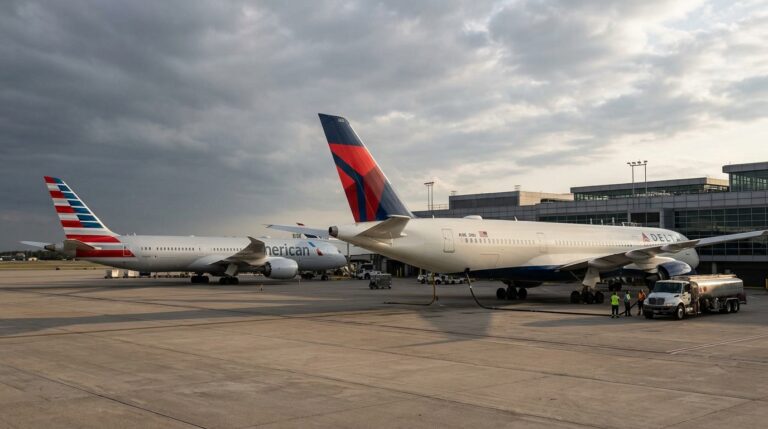
The dominant price driver is neither Venezuelan reserves nor domestic refining capacity. Trump’s conflict with Iran has hampered transit in the Strait of Hormuz, with daily ship traffic far below pre-war levels that were roughly around 100 a day, based on IMF PortWatch data as summarized by multiple trackers. The Strait typically carries roughly 20% of global oil consumption.
Goldman Sachs has warned that if Hormuz faces sustained disruptions, Brent could rise above $120 per barrel by the fourth quarter of 2026. The bank’s baseline scenario assumes a gradual de-escalation, with Brent around $80 in Q4 and about $75 in 2027. “To lower gasoline and diesel prices in the short term, the most effective way by far is by increasing the flows from the Middle East,” one analyst told Time. Venezuela cannot accomplish that.
Stocks Worth Tracking
Valero Energy (VLO) is the most direct near-term beneficiary. It leads U.S. refiners in processing Venezuelan heavy crude, and the feedstock discount it captures widens crack margins even as pump prices hold elevated. Shares of Marathon Petroleum and Valero have nearly doubled so far in 2026, reflecting how sharply the refining environment has shifted in favor of complex, coking-capable operators.
Chevron (CVX) holds the only near-term Venezuelan production upside that analysts broadly agree on. It is the single operator with infrastructure already in place, requiring no greenfield build. Marathon Petroleum (MPC) operates the most complex coking capacity on the Gulf Coast and stands to gain from incremental heavy crude availability, though it faces the same throughput ceiling as every other refiner.
Scenario Framework
Bull Case: Hormuz transit normalizes ahead of the EIA’s current assumptions, Middle East exports recover toward pre-war levels by late 2026, and Venezuelan volumes provide an incremental feedstock discount. Brent retreats toward $75 to $80, pump prices fall back below $3.80, and refining stocks face margin compression as crack spreads normalize.
Base Case: Hormuz reopening is partial and uneven through year-end. Pump prices remain above $4 deep into late summer 2026, reflecting continued uncertainty surrounding Hormuz and crude prices in the $80 range. Pump prices ease modestly in Q4 but remain well above year-ago levels. VLO and MPC maintain elevated margins.
Bear Case: If disruptions in the Strait of Hormuz persist through 2027, Brent prices could exceed $120 per barrel in late 2026. Diesel cracks push further into record territory, demand destruction accelerates, and the midterm election cycle arrives with gasoline still above $4.50 nationally.
Positioning Framework
The key risk for traders pricing refining equities on a near-term pump-price recovery is a category error. Venezuela is a decade-scale strategic asset. The variables that matter for the next two quarters sit in the Persian Gulf, in Hormuz transit data, in EIA weekly utilization readings, and in seasonal fall maintenance schedules that will briefly reduce the high-90% utilization rate. EIA data showed gasoline inventories rising for a second consecutive week as of September 11, with refineries operating at 96.8%, but approaching seasonal maintenance remains a threat to refined-product supplies. Watch vessel traffic through Hormuz and weekly refinery runs before extrapolating any reserve-deal headline into pump-price relief. Preparation built on those specific data points is worth more than any deal announcement.