October 5, 2026
Bonus Content: Brent Is Below $102 After Missiles Hit Aramco Near Riyadh
Wall Street loves a new story.
But sometimes the more interesting opportunity is a company that has been waiting years for the market to catch up.
One little-known Nasdaq company has spent more than 25 years developing professional drone technology that is now a priority in Washington.

This is not a company trying to invent itself around D.C.’s latest push.
It was developing these technologies long before America’s current drone demand started.
That experience matters as the Pentagon looks for scale and Washington directs more attention toward domestic manufacturers.
Yet the company is still trading under $5… for now.
If America’s drone industry is entering a much bigger chapter, investors may want to know why this pioneer remains so overlooked.
Brent Is Below $102 After Missiles Hit Aramco Near Riyadh
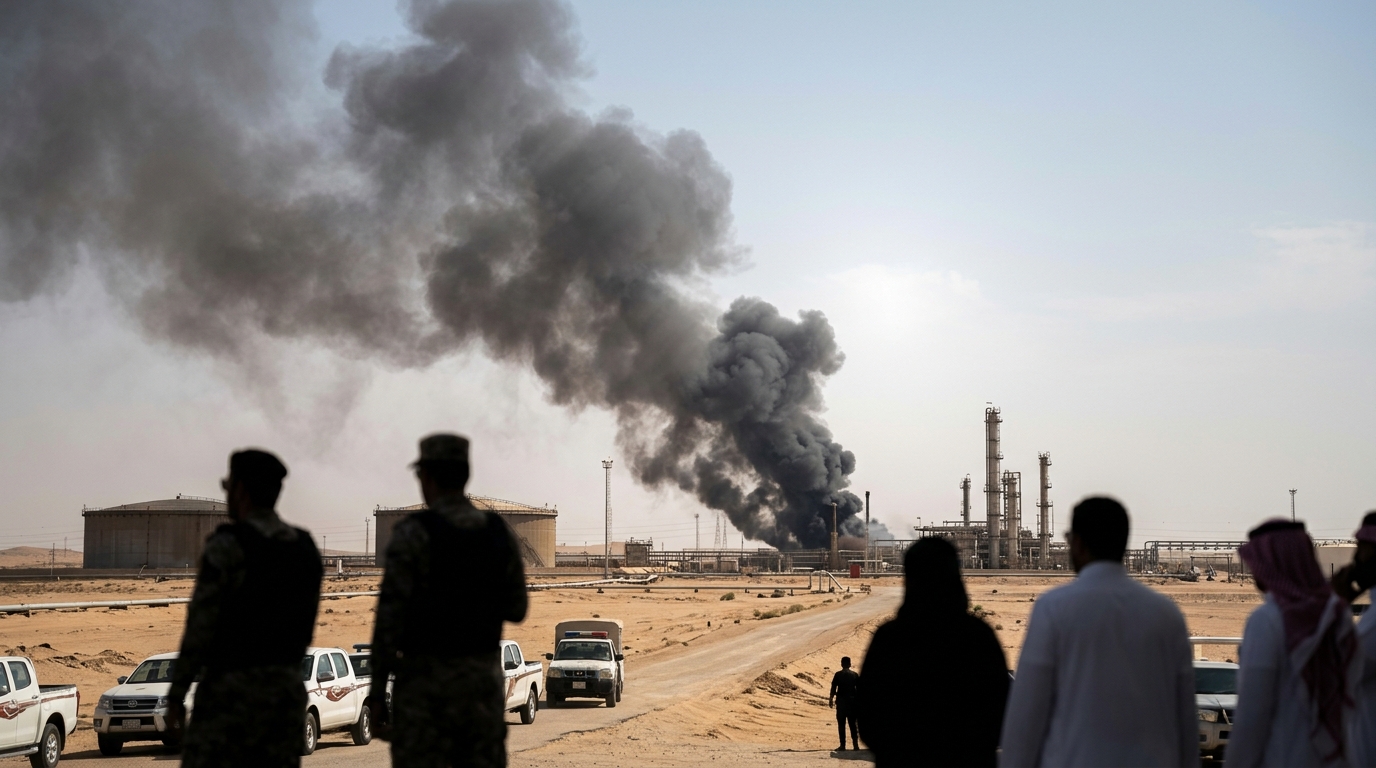
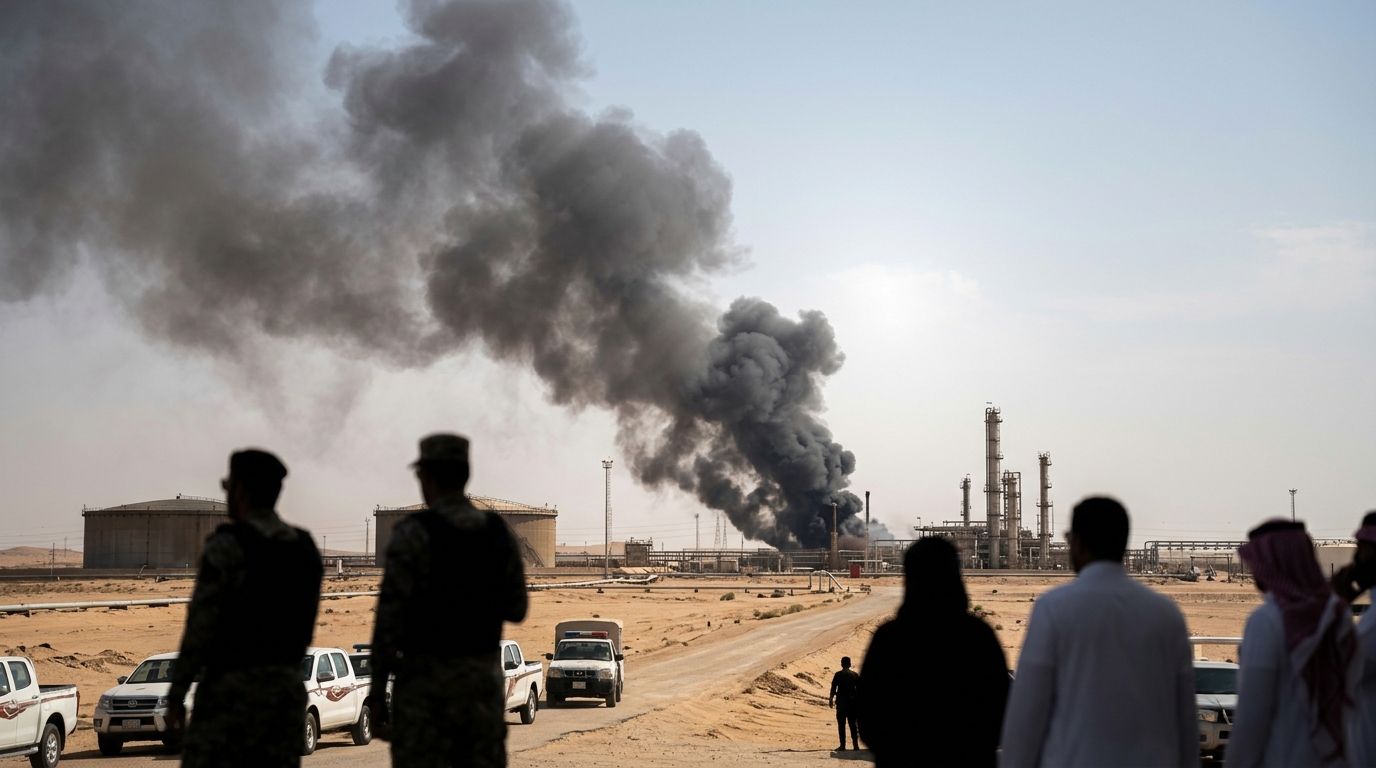
Missiles and drones struck an Aramco facility south of Riyadh on Saturday. An AFP journalist watched flames and a large plume of smoke rise from the site. Houthi military spokesman Yahya Saree described the operation as “precise and direct” and said it was retaliation for Saudi strikes on Sanaa. Saudi Arabia’s coalition spokesman called the claims misleading, and Aramco has not confirmed. On Sunday, the Houthis claimed a second wave, this time targeting Aramco sites in Riyadh and the Kurais producing area simultaneously.
Brent’s response has been muted, with prices still trading below $102. The war has reached the Saudi capital twice in two weeks, and the market essentially shrugged.
What the Price Is Saying
The muted reaction is not complacency. It is a specific bet on two pillars. First, Saudi Arabia’s East-West Pipeline, damaged by drone attack in September, has been restored to roughly half of its 7 million barrel-per-day capacity, leaving about 4.0 to 4.5 million barrels per day available for export from Yanbu after domestic Red Sea demand. Second, G7 leaders on October 2 agreed to release 100 million barrels of crude and oil products from emergency reserves over four months, coordinated through the IEA, with a front-loaded substantial diesel release within the first 20 days. Some analysts have framed the G7 text as more implementation of prior pledges than a new binding commitment. Neither point has moved prices much, because the market is focused on flow, not politics.
JPMorgan estimated Middle East crude exports at 17.5 million barrels per day, or roughly 98% of pre-war levels, as of late September into early October. Saudi Arabia has been a major driver of that rebound as the bypass route reopens. Brent remains above $100, but the structural war premium has been partially absorbed by the supply comeback.
Sector and Stock Positioning
XLE has returned about 46% over the past year, with XOM up around 39% year-to-date and CVX tracking similarly. Valero (VLO), the largest U.S. independent refiner, is the standout: trading around $406 as of October 5. Refined-product supplies remain structurally tighter than crude flows in this conflict regime. That gap is the margin story and explains why refiner stocks have broken away from integrated majors when Saudi crude headlines arrive.
On the defense side, LMT has recently traded around the low-$500s and reported a backlog around $230 billion. RTX reported backlog of $289 billion and guides 2026 free cash flow in the $8.50 billion to $8.75 billion range. Neither stock is pricing in a rapid resolution. Both carry low betas to the broader market and benefit directly from the missile-interception and air-defense procurement cycle that Houthi strike campaigns accelerate.
The Level That Breaks the Assumption
The market’s entire thesis rests on Saudi export continuity. The September East-West Pipeline hit was a reminder that the bypass is the linchpin, but publicly reported flow restoration has been partial rather than a clean return above 80% of capacity. The level to watch is still the prior spike zone: if a confirmed production disruption at Kurais, or a second forced shutdown of the pipeline, cracks the export-flow assumption, Brent can reprice quickly through the prior highs.
Goldman Sachs has flagged a scenario in which Gulf output remains 4 million barrels per day below pre-war levels into 2027, raising the probability of Brent above $120.
Scenario Modeling
Bull Case ($95 or lower): Houthi attacks continue but fail to disrupt Saudi exports materially. The G7 release front-loads meaningful diesel barrels quickly. Hormuz diplomatic progress resumes. East-West Pipeline flows keep improving. Brent consolidates toward $95, compressing energy-sector margins.
Base Case ($100 to $107): The pipeline holds, exports remain near 17 million to 18 million barrels per day across the region, and the G7 release provides marginal relief. Brent oscillates in a $100 to $107 range, with geopolitical headlines generating brief spikes that fade within sessions. VLO and defense names maintain current positioning.
Bear Case ($108 and above): A confirmed strike disrupts Saudi production infrastructure, East-West Pipeline flows drop materially, or Kurais output is curtailed. Brent re-tests $108. If U.S.-Iran diplomacy collapses simultaneously, the Goldman $120 scenario becomes closer to market consensus. XLE spikes, but refiner margins compress on feedstock cost; VLO underperforms integrated majors in that environment.
Active Trader Framework
The prior spike zone near $108 is the key technical reference on the upside: it represents confirmed infrastructure loss, not just a headline. On the downside, $97 to $98 remains a useful reference zone from late September, and a close below it would suggest the export-recovery trade is more durable than the bears expect.
Traders watching XLE should note that the fund’s top holdings are dominated by integrated majors, so major price action drives the ETF more than refiner strength. Pure refining exposure requires VLO directly. For defense, LMT’s October 22 earnings release is the near-term catalyst, and RTX’s $289 billion backlog offers a different entry point in the same escalation cycle.
The war has reached Riyadh twice in two weeks, and oil is lower on the day. That is not a signal to ignore. It is the market telling you precisely how much faith it has in Saudi bypass resilience. The moment that faith is tested with confirmed production data, not just claimed strikes and coalition denials, is when the current assumption breaks.