May 22, 2026
Oil Is Pricing a Deal That Isn’t Done Yet
The Hormuz Relief Trade Is Real. So Is the Risk It Falls Apart.
Brent crude hit $116 per barrel on May 1. As of this week, it’s trading closer to $105. That’s not a supply story. That’s a geopolitics story — and it’s moving faster than most traders have been able to track.
Here’s where things actually stand. The U.S. and Iran reached a fragile ceasefire on April 7-8, 2026, brokered by Pakistan, after joint U.S.-Israeli strikes on February 28 ignited the conflict. Since then, both sides have been negotiating a 14-point memorandum of understanding — a one-page framework that would formally end the war, open a 30-day window for detailed nuclear and Hormuz negotiations, and set conditions for gradual sanctions relief. As of May 22, Iran is still reviewing Washington’s latest proposal. Nothing is signed. Nothing is finalized.
That last part matters. A lot.
Monthly Income + Share Gains From Silver
This new ETF delivers the best of worlds: 20% annual distributions, delivered monthly, PLUS 68% share appreciation in just 5 months.
What the Market Is Actually Trading
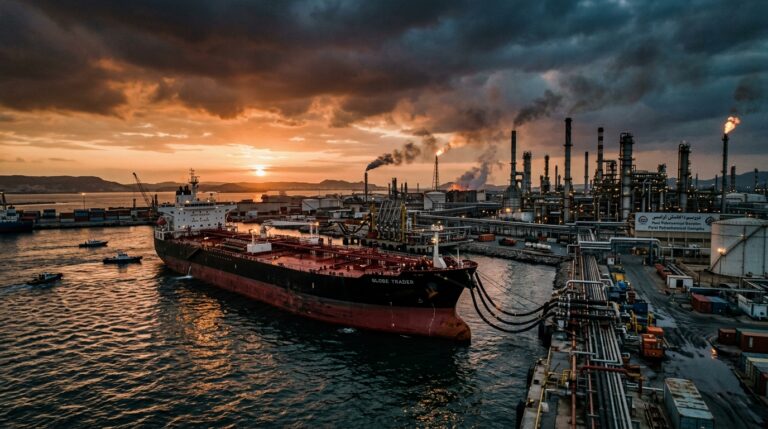
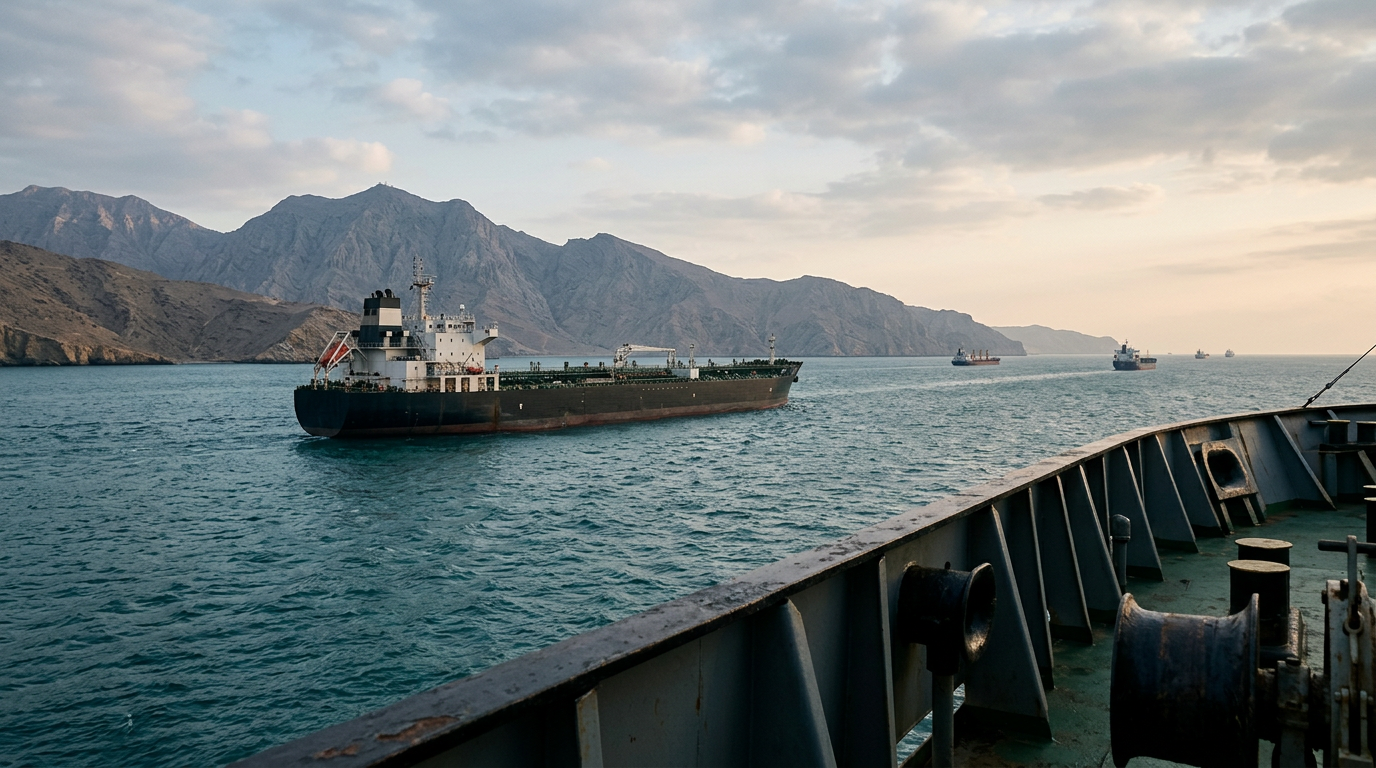
Since February 28, the Strait of Hormuz — through which roughly 20% of the world’s oil and LNG passes — has been effectively shut down. Iran has enforced a de facto blockade, demanding coordination with its military and charging transit fees. The U.S. has responded with a naval blockade of Iranian ports, redirecting 94 commercial vessels as of May 21 per CENTCOM. The supply shock was immediate and severe: Brent surged nearly 50% above pre-war levels at its peak.
The selloff over the past three weeks is driven entirely by peace optimism. On May 20, WTI dropped 5.66% in a single session after President Trump declared the U.S. was in the “final stages” of negotiations. Brent fell roughly 6% across two sessions before partially recovering. As of Thursday, Brent was back above $107 and WTI was near $101 — both contracts still deeply elevated on any historical basis, but clearly reacting in real time to each headline coming out of Islamabad and Tehran.
The market is not pricing a signed agreement. It’s pricing the probability of one. That distinction is where the trade risk lives.
The Sticking Points Are Structural, Not Cosmetic
Two issues are genuinely unresolved and both could collapse the current ceasefire. First: Iran’s enriched uranium stockpile. Iran’s Supreme Leader has reportedly directed that near-weapons-grade uranium must not be sent abroad — directly contradicting a key U.S. demand. Washington has made removal of that stockpile a non-negotiable point. Second: the Strait of Hormuz toll structure. Iran announced creation of a “Persian Gulf Strait Authority” this week, pushing to formalize sovereign control over maritime traffic and impose permanent tolls. Secretary of State Rubio called it “unacceptable” and said any deal would be “unfeasible” if Iran pursues that path. Those aren’t minor technical gaps. They’re foundational disagreements that have derailed every prior round of talks going back to the failed 2025 negotiations.
Slight tangent worth noting: Pakistan’s Army Chief Asim Munir is currently serving as the primary back-channel carrier between Washington and Tehran. That’s unusual. It signals that neither party fully trusts Oman or Qatar as sole intermediaries, and it adds a layer of complexity to any timeline. Pakistan’s role in mediating the April ceasefire earned it significant diplomatic capital — but it also means the deal’s momentum depends partly on Islamabad’s ability to keep both sides at the table.
There Are Two Kinds of Money in America Right Now
The wealthy aren’t holding dollars anymore. They’re holding something that compounds, that grows tax-deferred, and that builds dynasties. Louis Navellier has tracked this shift for 47 years – and built a grading system that helps him identify which stocks are attracting that “new money” right now. Try it free: 3 stock searches, no credit card.
Three Scenarios From Here
- Bull Case (for oil prices): Talks collapse on the uranium or Hormuz tolls issue. Iran reasserts control of the strait, the U.S. blockade resumes, and Brent moves back toward the $115-$120 range. Energy equities — particularly E&P names with domestic production exposure — benefit. Refinery margins compress for import-dependent facilities. Tanker stocks with U.S. Navy escort contracts outperform.
- Base Case: The MOU gets signed in the next 7-14 days, initiating the 30-day formal negotiation window. Hormuz gradually reopens under monitored conditions. Brent pulls back to the $85-$95 range as supply fears ease and Iranian barrels begin moving again. Iran currently accounts for roughly 3 million barrels per day of production capacity, much of it frozen under the blockade. Re-entry of that volume — even partially — is a meaningful supply catalyst.
- Bear Case (for oil prices / geopolitical risk assets): A deal is reached, Hormuz reopens fully, and peace holds for 60-plus days. Brent tests the $70-$75 zone. The SPR — which saw its largest-ever weekly drawdown last week at nearly 10 million barrels — begins rebuilding, capping any sustained upside. Energy equities give back the war premium. Airlines, industrials, and consumer discretionary names benefit from lower fuel costs.
What Traders Should Be Watching
The $100 level on WTI is the key psychological and technical threshold this week. A confirmed break below $100 on sustained volume would signal the market is building genuine conviction around a deal closing. Brent’s equivalent level is roughly $105. Both contracts have tested these levels multiple times without conviction, which tells you the market is uncertain — not directional.
On the equity side, the energy sector is caught between two opposing forces: the potential for a sharp relief-driven selloff in crude, and the ongoing SPR drawdown that keeps physical supply tight regardless of headlines. Integrated majors with refining exposure may actually benefit from a deal scenario more than pure E&P names — cheaper crude feedstock without the direct revenue hit that upstream producers face from a price decline.
Volatility expectations should stay elevated regardless of which direction this resolves. The crude oil volatility index spiked to its highest level since early 2022 when this conflict began, and historical precedent suggests that volatility compressions following geopolitical resolutions tend to be sharp but not immediate. There’s usually a 2-3 week period of headline-driven whipsaws before a directional trend establishes itself. We’re in that window right now.
The bottom line: the relief trade has already started. The question is whether it’s built on a foundation that holds. A 14-point memo being reviewed in Tehran is not the same thing as a signed agreement — and traders who got long energy on the war premium are now being asked to decide how much they trust a ceasefire that JD Vance himself called a “fragile truce” back in April.
Preparation over prediction. Size accordingly.
The repeatable strategy behind 20+ early memecoin wins (revealed)
Few analysts have been able to consistently spot strong memecoin setups, but our team has developed a repeatable framework that has helped them identify high-momentum plays early. Now they’ve uncovered a new project showing similar characteristics, and they want you to see the full breakdown yourself.
Access the full research on the memecoin analysts believe is poised for a big move
For informational and educational purposes only. Not investment advice. Trading involves risk, including loss of principal.