Brent crude settled at $98.32 on Friday after losing more than 16 percent for the week, its steepest weekly fall since the COVID-19 pandemic. The market was pricing a US-Iran deal that does not yet exist, driven by Democratic gains in the midterm elections and speculation that Washington might soften toward Tehran. Then Saturday arrived.
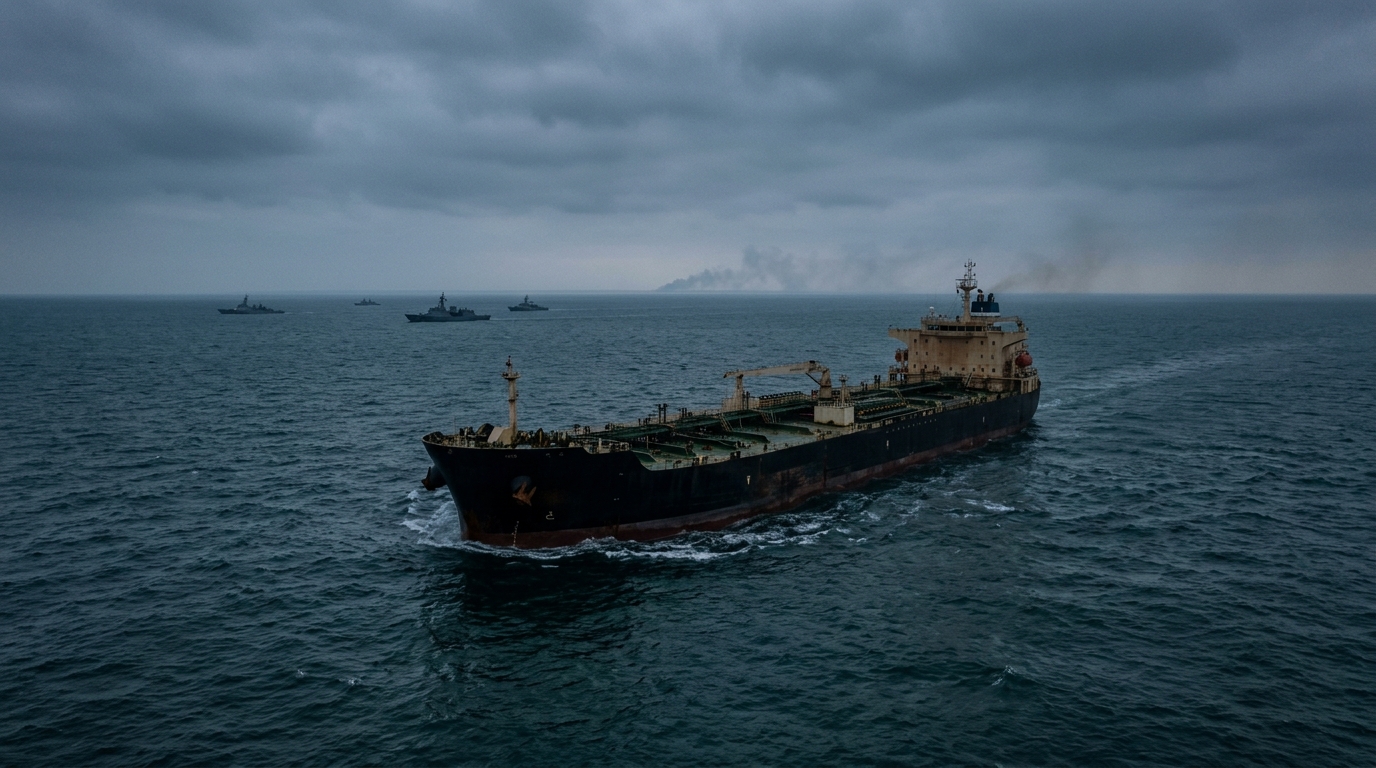
CENTCOM confirmed it fired precision munitions at the M/V Huda in the Gulf of Oman on November 7, targeting the stern of the vessel after its civilian crew ignored repeated warnings and made multiple attempts to violate the blockade. The same day, Admiral Brad Cooper directed the formation of Task Force Iron Gate, a Tampa-based unit charged with halting the movement of advanced weapons systems, dual-use technologies, sanctioned materials, and illegal revenue streams across Iran’s land borders and the Caspian Sea. On Saturday evening, Iran’s Revolutionary Guard announced it had lifted its self-proclaimed limit of 2,000 kilometers on the range of its ballistic missiles, with IRGC spokesman Hossein Mohebbi stating plainly that “that restriction has been lifted for us,” while declining to say whether Iran currently has missiles capable of exceeding the limit.
Three developments in 24 hours, all pointing one direction. So why is oil not behaving like it?
The honest answer is that crude fell 16 percent this week before any of this happened. Brent lost more than 16 percent over the week, as markets bet that the end of the US midterm elections opens the way to a US-Iran deal. That is an enormous peace premium already priced out. Task Force Iron Gate, comprising approximately 20 civilian and military personnel, is a coordination body, not a battle group. The market, arriving Sunday night, appears to be weighing it accordingly.
The more revealing signal comes from tanker equities. Frontline finished Friday up about 1.6 percent for the session, a mild gain on a volatile week, not the surge you would expect if participants genuinely believed the Gulf of Oman was turning into a shooting gallery for commercial cargo. The blockade is functioning. The M/V Huda is the fifth vessel to be disabled, not the first. The market has had months to calibrate what enforcement actually looks like, and tanker operators have largely been rerouting, not absorbing hits.
The insurance market is a different story, and it is where the real cost of this conflict lives. Insuring a tanker for a single trip through the Strait of Hormuz has been quoted around 7.5 to 10 percent of the ship’s hull value in additional war-risk premiums, according to a July report by S&P Global that cited Marsh. Lloyd’s syndicates and London insurance companies write an estimated 70 to 80 percent of the world’s marine war business. That cost does not move on a Sunday night headline. It moves when the Joint War Committee changes its designation or when a vessel actually burns, and those decisions lag public announcements by days.
What the market may be missing is the land-route dimension of Task Force Iron Gate. The Washington Post reported that the task force is aimed at restricting Iran’s ability to use overland routes to transport weapons and prohibited materials across the country’s land borders and the Caspian Sea. That last clause matters. If Iron Gate targets Iran’s land-based energy revenue, the pressure on Tehran tightens beyond what the naval blockade alone can achieve. CENTCOM has said the naval blockade has stopped Iran from exporting more than $25 billion worth of crude oil. A coordinated land-route squeeze would compound that.
The opposing read is straightforward: the establishment of the task force is the latest illustration of how the US is still searching for ways to increase pressure on Tehran, more than eight months after launching with Israel a war against Iran, and searching suggests the existing tools are not closing the deal. Tehran’s reported conditions include an end to the US naval blockade, sanctions relief, and the release of frozen assets before any agreement. Task Force Iron Gate makes those conditions harder to meet, not easier, which may extend the conflict and the uncertainty premium longer than deal-optimists assumed last week.
Watch Monday’s Asian crude open and whether Brent holds above $98. If it does, the market is treating Iron Gate as noise layered onto a peace trend. If it fails, the weekend just reset the risk the midterms talked down.