October 19, 2026
Bonus Content: Nvidia Takes the Stage in Berlin. Europe Can’t Power What It’s Selling.
Dear Reader,
Something strange is happening.
A few of the most powerful states in the country are scrambling to stop Elon Musk.
New York is moving to ban his latest innovation. So is Massachusetts.
Senator Elizabeth Warren is fighting it tooth and nail.
Meanwhile… Musk is rolling his project out to millions of Americans… with the full blessing of President Trump and the U.S. Treasury.
When it goes live – as soon as this summer – nothing will ever be the same.
And the folks who understand why could make a fortune.
Regards,
Ian King
Chief Strategist, Strategic Fortunes
Nvidia Takes the Stage in Berlin. Europe Can’t Power What It’s Selling.
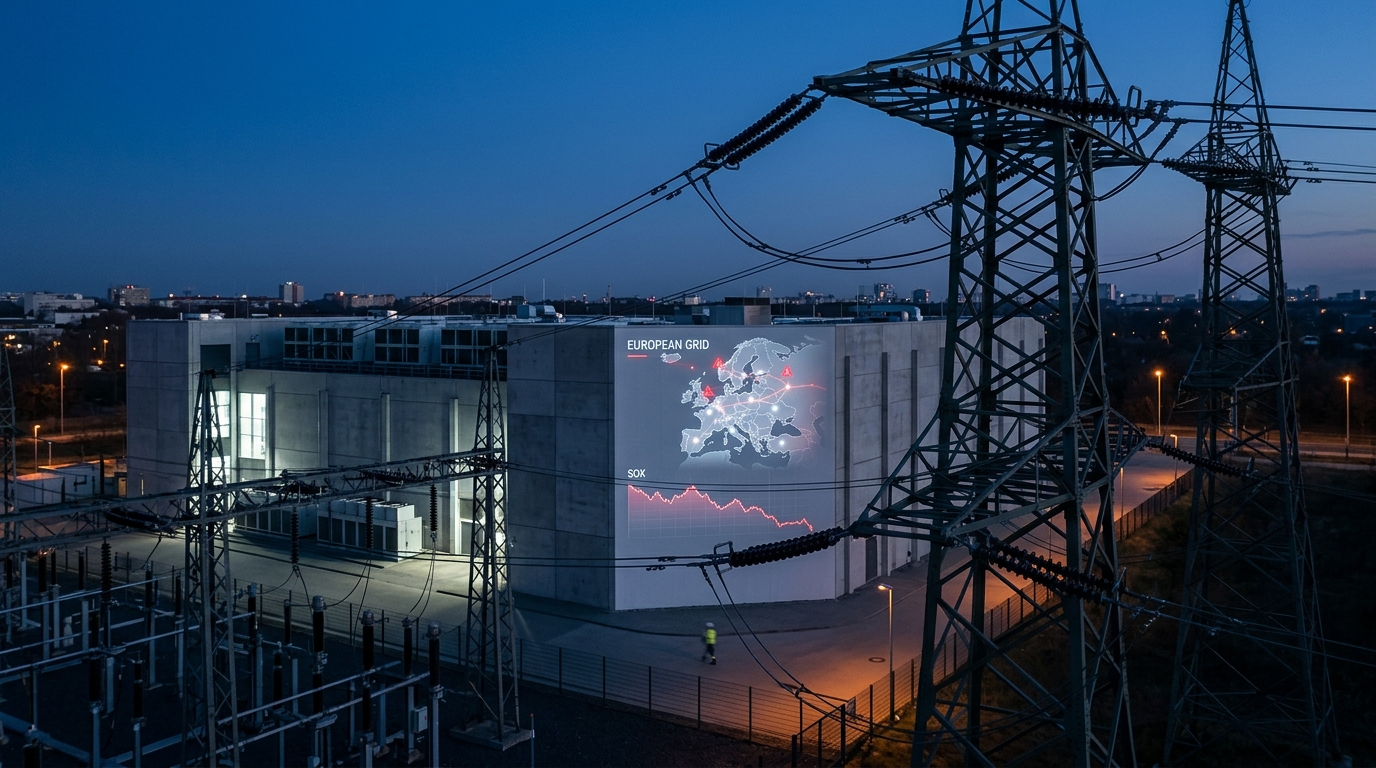
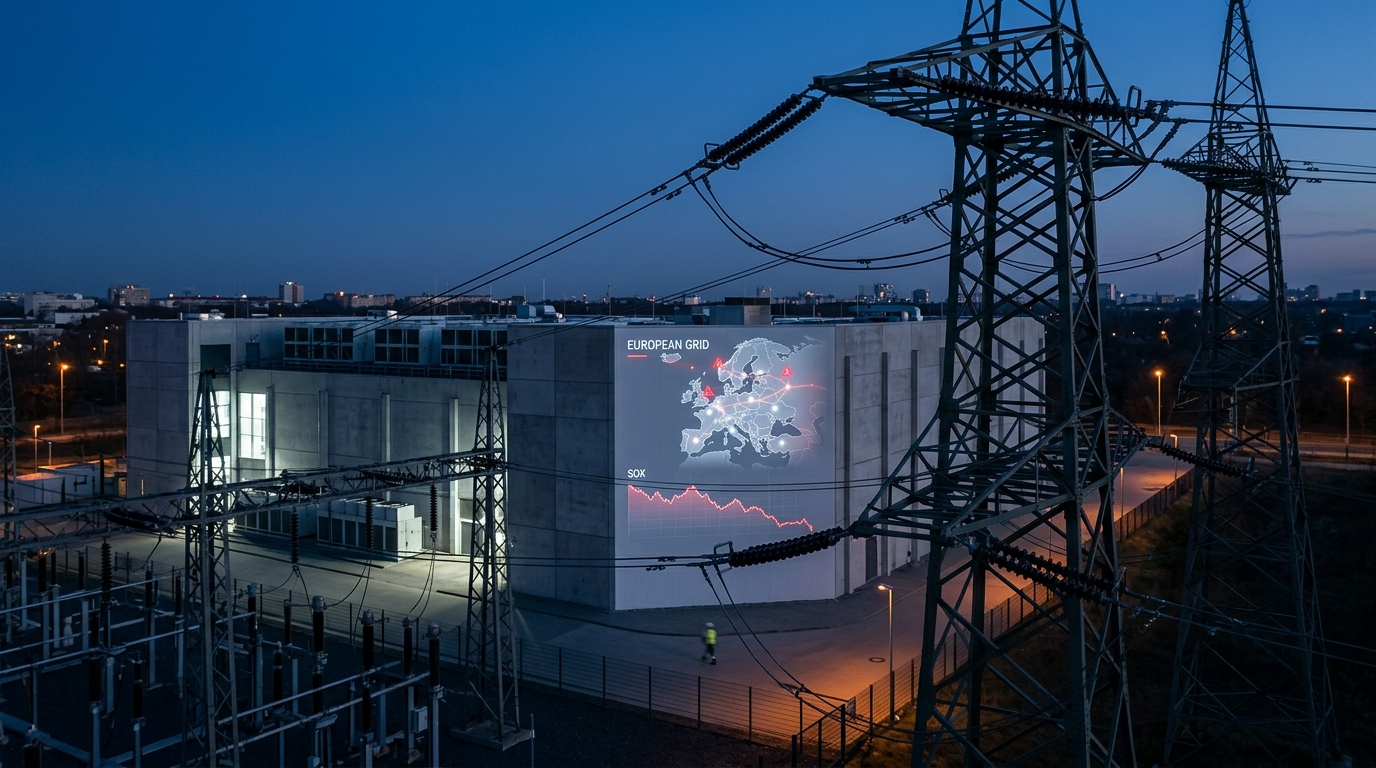
The context could not be sharper. The Philadelphia Semiconductor Index posted its longest losing streak since the 2008 global financial crisis, falling 3.83% to 11,137.29 and extending its decline to eight consecutive sessions, losing 16% since October 6. On the same weekend that streak ended, Microsoft pulled out of a lease for a data centre under construction in Essex, UK, after Nscale said the site is not expected to have sufficient grid power until the early-to-mid 2030s. Tomorrow morning, Jensen Huang walks onto the Tempodrom stage in Berlin to sell Europe on sovereign AI.
The Power Gap Underneath the Pitch
Microsoft was the only publicly identified customer tied to the Essex facility, and its exit raises financing risk for the project. But the specific claim that more than 40% of Nscale revenue comes from Microsoft is not supported by disclosures available as of October 19, 2026, and is best treated as unconfirmed. The grid problem is not site-specific. As of mid-2026, Ofgem said data centre demand in Britain’s electricity connections queue was roughly 73 gigawatts, and it launched a consultation aimed at curbing speculative projects and tightening milestones. Separately, the National Energy System Operator has been implementing grid connections reform that includes a pause on certain new applications dating back to late January, pending process changes. That is the structural backdrop against which Huang must now argue that European governments should build their own AI compute stacks.
On October 13, Huang said in Paris that Nvidia will announce approximately $2 billion in new AI investments in Europe over the coming week. Over the past year, Nvidia has said it committed about $8 billion in Europe, putting total commitments close to $10 billion. The revenue logic driving that tour: Nvidia is now worth more than $5 trillion, and keeping that valuation moving depends on finding buyers beyond the handful of US hyperscalers that still account for a large share of its data centre sales. Sovereign AI revenue more than tripled to over $30 billion in Nvidia’s fiscal 2026, the company said in its annual review.
The Fundamental Numbers
Nvidia reported Q2 fiscal 2027 revenue of $96.2 billion, up 106% year-over-year, with Data Centre revenue of $89.0 billion, up 117%. Gross margins were 75.0%. Management guided Q3 revenue of $108.0 billion, plus or minus 2%. According to 62 analysts polled by S&P Global, the average rating for NVDA is Strong Buy, with a 12-month consensus price target of $328.72. The stock hit an intraday all-time high of $243.37 on October 6 before the SOX rout dragged it back toward $214. The gap between the consensus target and current price is nearly 54%, but that gap matters only if the power infrastructure can catch up to the chip ambition.
The infrastructure companies that stand to gain from Europe’s build-out are the ones in Berlin this week. Schneider Electric is present at GTC Berlin to discuss AI factory infrastructure, 800 VDC power, liquid cooling, prefab solutions, and digital twins. Schneider reported 11.2% organic revenue growth in Q1 2026. Siemens occupies comparable ground in industrial power delivery and grid integration across the continent. Both companies benefit structurally from exactly the problem that stalled the Nscale plan: grids that cannot serve demand as-built require expensive, specialist upgrades.
Schneider and Siemens are not the only beneficiaries of that constraint. Transformer lead times now averaging 128 to 144 weeks have handed four OEM suppliers compounding pricing power that no new factory can quickly erode.
Three Scenarios Traders Should Model
Bull case: Huang announces €2 billion-plus in confirmed European sovereign AI deals at the keynote, Vera Rubin supply clarity improves sentiment, and NVDA reclaims $230+ as the SOX stabilizes. Infrastructure beneficiaries including Schneider and Siemens re-rate on confirmed project pipelines.
Base case: The keynote delivers partnership announcements with Deutsche Telekom and others, reinforcing the agentic AI, physical AI, and sovereign AI themes without resolving the grid constraint question. NVDA oscillates between $210 and $225 as traders balance strong fundamentals against a sector still absorbing a 16% drawdown. Infrastructure stocks drift sideways pending concrete contract flow.
Bear case: Huang’s sovereign AI pitch lands without credible power delivery timelines. The Microsoft-Nscale episode sharpens investor skepticism that European AI build-out faces a decade-long bottleneck. Hotter-than-expected US inflation adds pressure by raising concerns that interest rates could remain elevated, increasing the cost of capital for companies investing heavily in AI infrastructure. NVDA tests $200.
Active Trader Framework
The $214 area represents the zone where NVDA spent multiple sessions during the October drawdown. A keynote that clears the bar on deal announcements and platform roadmap can put $225 resistance in play within the week. A disappointment from that level risks a retest of the $200 to $207 range that preceded the October run-up. Watch volume on the open Wednesday once European headlines cross: a high-volume gap above $218 on heavy buying suggests institutions are positioning for the keynote. Flat volume on any initial gap up is a signal to wait.
Preparation, not prediction, is the discipline that survives keynote volatility. The macro setting, grid constraints, a wounded SOX, and $108 billion in quarterly revenue guidance on the line, means the range of outcomes is wide. Size positions accordingly, define exit levels before the keynote begins, and let the data from Berlin do the rest of the work.