AutoZone crossed $20 billion in annual sales for the first time in fiscal 2026, and the headline looks tidy. Look one level down and the business is clearly splitting in two.
The fiscal 2026 earnings call highlighted a widening rift between a booming commercial business and a struggling DIY consumer. DIY buyers went the other way: domestic DIY same-store sales fell 0.6% in Q4, while domestic commercial sales grew 8.6%. For the full year, domestic commercial sales grew almost 11% to just over $5.7 billion.
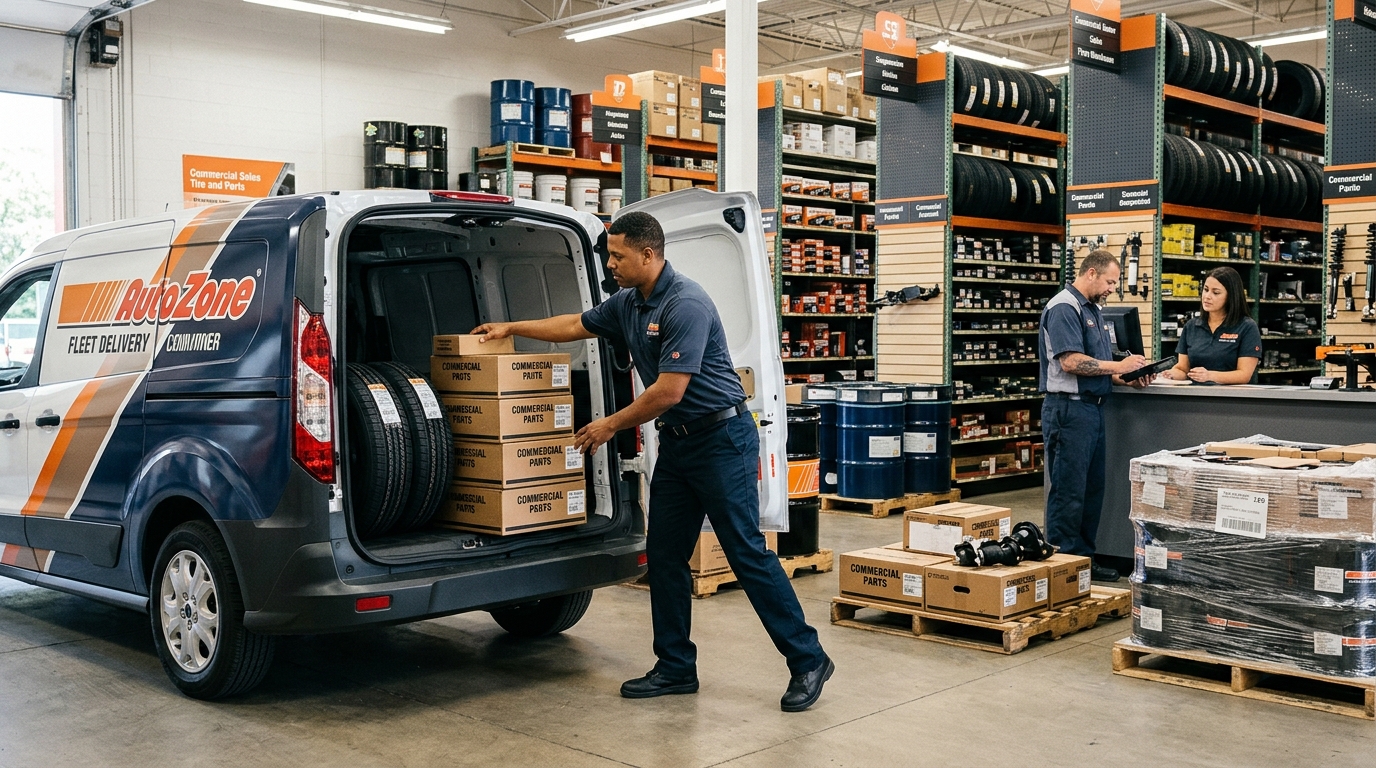
The commercial pivot is what makes AutoZone worth watching into year-end, not the defensive DIY angle the market defaults to when discretionary spending cools. AutoZone built its brand serving weekend DIY warriors, but the company’s future increasingly runs through professional repair shops, with domestic commercial sales representing about 33% of domestic sales and growing at triple the rate of DIY.
The structural driver is the Mega Hub buildout. Commercial programs connected to a Mega Hub network generate 16% more annual sales than the rest of the chain; Mega Hubs typically carry over 100,000 SKUs and supply expanded assortments to surrounding stores. AutoZone opened 39 Mega Hubs in fiscal 2026, reaching 172 total, and expects to open over 40 more in fiscal 2027. The long-run target is about 300 over the next three years.
Capital spending reflects the conviction. The main risk is that AutoZone pays for the growth before it arrives: management plans to invest around $1.65 billion in capital spending in fiscal 2027, with most going into faster store growth including hubs and Mega Hubs. Gross margin declined 29 basis points in fiscal 2026 to 52.3%, reflecting a larger non-cash LIFO impact year over year. Margin recovery depends on those new stores maturing fast enough to absorb the overhead.
There is a leadership wrinkle that adds near-term uncertainty. CFO Jamere Jackson resigned effective November 25, 2026, to take the CFO role at FedEx Corporation. VP and Controller J. Scott Murphy will assume principal financial officer responsibilities, while the company runs an external search for a permanent successor. TD Cowen maintained its Buy rating, citing do-it-for-me market share growth, stabilizing DIY sales, margin re-acceleration, and attractive valuation.
What traders should watch: AutoZone is expected to report fiscal Q1 2027 results in December 2026, and DIY same-store sales are the number to watch. Management expects same-store sales to be relatively flat in Q1 2027, with average ticket growth staying around 5%, and expects full-year domestic same-store sales from flat to up low single digits. The more important line is commercial: AutoZone expects total domestic commercial sales to increase by a high-single to low-double-digit percentage in fiscal 2027. If that holds, the DIY softness becomes a margin story, not a growth one. If commercial decelerates, the whole thesis shifts.