September 6, 2026
Spot TC/RCs hit -$126.80 per tonne.
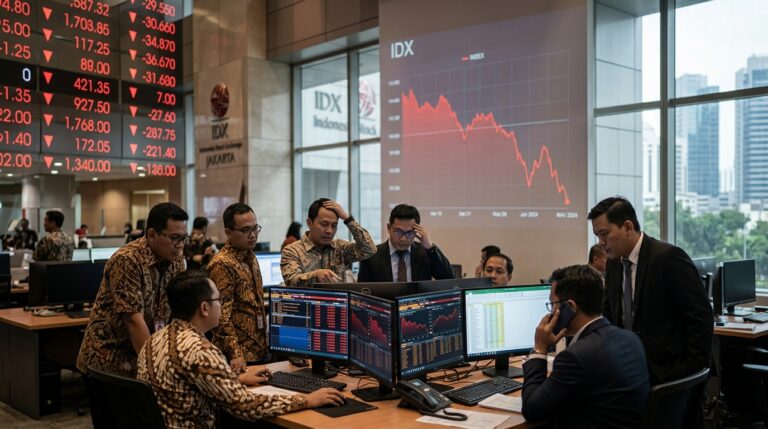
A single data point rewrote the copper supply chain at the start of this year. The annual TC/RC benchmark, set through a late-2025 agreement between Antofagasta and a Chinese smelter on benchmark terms for 2026, settled at $0 per tonne, the lowest annual figure ever recorded. That was just the floor. Spot TC/RCs fell further to -$126.80 per tonne by the end of June 2026. By late summer, trader-to-smelter transactions during CESCO Week in Santiago reportedly reached as low as -$220 per tonne. The benchmark did not break. The economics of the entire processing sector did.
The Tech IPO Set to Be 41X Bigger Than the Google, Microsoft, and Amazon IPOs Combined
Nvidia, Google, Amazon are all loading up on shares.
Here’s a secret backdoor in for regular investors. [Free Ticker]
When spot TC/RCs are deeply negative, smelters are not just processing ore for free. They are effectively subsidising the mining companies whose concentrate they purchase, paying more for the raw material than the value of the refined metal it produces. For most of the period from 2015 to 2020, benchmarks ran between $80 and $120 per tonne and smelters held pricing leverage. The direction of economic power in the copper supply chain has now fully reversed upstream.
Three Overlapping Supply Shocks
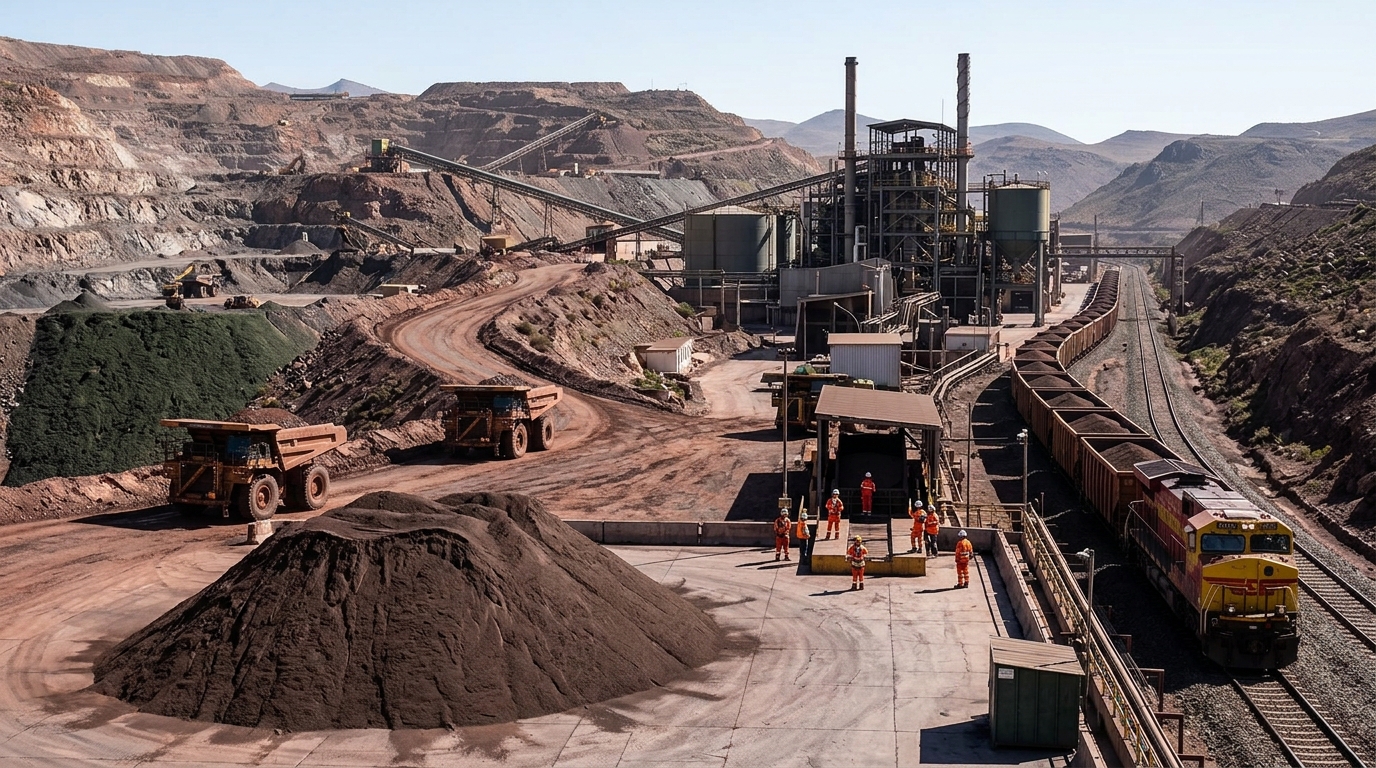
Chile’s copper production dropped 9.4% year-on-year to 403,424 metric tons in July 2026. The proximate cause was severe storms that hit mining regions. Codelco estimated losses near $7.5 million a day at El Teniente during the worst of the stoppage; Antofagasta’s Los Pelambres mine halted mining and processing for several days; Lundin Mining’s Caserones mine suspended operations after snow damaged power lines. Antofagasta lowered its 2026 production target from 650,000-700,000 tonnes to 625,000-655,000 tonnes; together with Lundin, the combined guidance revisions totaled 35,000-55,000 tonnes.
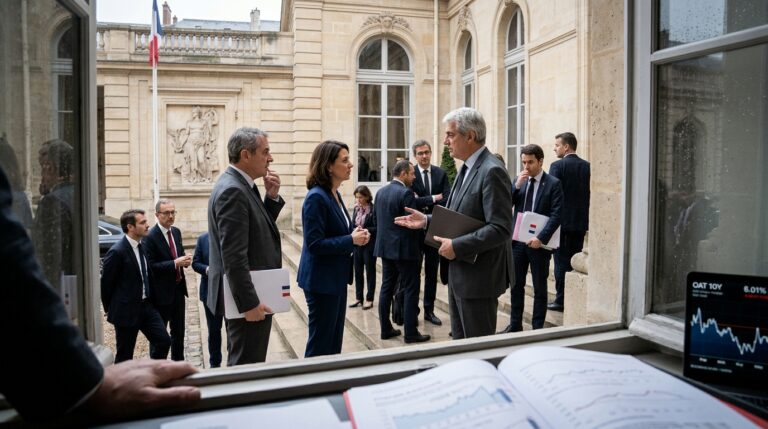
Then Kinshasa moved. On August 6, Reuters reported that the Democratic Republic of Congo, the world’s second-largest copper supplier, banned copper and cobalt concentrate exports with immediate effect, while the mines minister retained authority to grant one-year export waivers under strategic circumstances. The venture most exposed is the Kamoa-Kakula complex, owned by Ivanhoe Mines, China’s Zijin Mining and the DRC government, which still exports some concentrate under exemptions. Analysts at BMI assessed the market impact as limited given the DRC mostly ships refined cathode, but the policy signal added another constraint to an already depleted concentrate flow.
DEADLINE: Next “SpaceX Royalty” Payout This September
Thanks to a little-known loophole…
All investors can collect cash payouts from a special class of shares Marc Lichtenfeld calls “SpaceX Royalty Shares.”
It’s mandated by U.S. federal law.
That’s why Wall Street giants like BlackRock and Morgan Stanley have been piling in, with JP Morgan increasing its stake by over 2,100%.
And on September 16th, the payout goes out.
An estimated $3.6 billion in total this year.
Miss the date, and you miss your payout window.
The TC/RC collapse reflects a deeper structural imbalance between sluggish global mine supply growth and continued expansion of copper smelting capacity. Deeply negative TC/RCs have been sustained partly by strong by-product revenues, particularly sulfuric acid; the industry has entered a new profit structure where core smelting operations run at a loss while by-products support overall smelting profitability. That dynamic keeps smelter utilization higher than concentrate availability alone would justify, compressing processing margins further.
Stock-Level Analysis: FCX and the Competitive Field
Comex copper peaked at $6.7775 per pound in August and settled near $6.50 on September 3, 2026. Freeport-McMoRan’s Q2 2026 saw strong operational and financial performance, with year-over-year improvements to bottom-line results. Consolidated average unit net cash costs per pound came in at $1.91 in Q1 2026, down from $2.07 a year earlier. FCX’s consolidated operating cash flows are projected at approximately $8.7 billion for full-year 2026, based on assumed copper prices of $6.00 per pound for the remainder of the year. At current spot levels above that assumption, cash flow sensitivity runs materially higher. FCX shares were priced at $72.56 as of the September 3 close.
Southern Copper carries more reserve life but already commands a valuation premium. For diversified exposure without single-name execution risk, the COPX ETF spans the producer universe. FCX stock has climbed 39.1% over the past 52 weeks, exceeding the S&P 500’s 19.4% gain and the Materials Select Sector SPDR ETF’s 15.7% return over the same period.
Scenario Modeling
Bull Case. Chile’s weather disruptions prove slower to recover than consensus expects, Chinese smelter utilization stays elevated, and the DRC ban tightens concentrate flows further. Spot TC/RCs remain below -$150 per tonne, pushing Comex copper above $7.00 per pound as inventory outside the U.S. stays compressed.
Musk’s Quiet AI Empire Could Trigger the Next Boom
While everyone watches Nvidia and Microsoft… Elon Musk is building a secretive AI empire.
We’ve uncovered a stock that gives investors “backdoor” access to his next major move…
Without buying Tesla or OpenAI.
Base Case. Chilean mines recover output through Q4 2026, DRC waivers contain the export ban’s practical effect, and copper consolidates in a $6.30 to $6.80 range. FCX benefits from second-half copper sales guidance running more than 20% above the first half, supporting earnings through year-end.
Bear Case. A surge in Chinese smelter capacity additions has significantly outstripped growth in concentrate production; if smelters cut output aggressively to protect margins, refined supply tightens even as concentrate remains scarce. A sharper Chinese demand slowdown compounds this, collapsing the spread between current prices and real consumption. Copper trades back toward $5.50.
Active Trader Framework
Key levels to monitor: $6.30 per pound on Comex as near-term support, $6.80 as the first resistance zone before the August peak. For FCX, $68.00 represents the prior consolidation base; a close below that level would warrant reassessment of position sizing. Volatility is elevated, and the supply side of this market moves on geological and regulatory timeframes. A new mine takes roughly a decade from discovery to first production, meaning concentrate lost through Chilean weather or DRC policy cannot be replaced by new supply before the middle of the next decade. Preparation for sustained structural tightness, not a single-event trade, is the posture that fits this market.