Here is the uncomfortable math. Earnings estimates for ASML in 2026 and 2027 have declined over the past 60 days, yet the AI investment argument has only strengthened over that same stretch. TSMC’s third-quarter revenue reached NT$1.494 trillion, up roughly 51% year-over-year, setting a new all-time quarterly high and exceeding the upper end of the company’s guidance. The world’s largest chipmaker is running hotter than anyone expected, and ASML is the one company that puts the machines in its factories. So why are forward estimates moving in the wrong direction?
That question is worth sitting with before Wednesday.
Why This Report Matters
ASML’s next earnings date is confirmed for October 14, 2026. The consensus EPS forecast for Q3 is about $12.5, against actual EPS of $8.65 and revenue of $10.64 billion in the prior quarter. Zacks’ consensus sits at $13.18 billion in sales for the quarter. Those numbers will come and probably go without incident. ASML has delivered modest average earnings surprises over the past year, and its earnings ESP heading into Wednesday is positive.
None of that is where the argument lives. Management has said it is expanding low-NA EUV output for 2027 and is investigating an additional increase for 2028. That means the quarterly revenue figure, however large, tells investors almost nothing about what happens next. Orders do. Bookings are the only real-time read available on whether AI infrastructure spending translates into committed chip capacity for 2027, and ASML reports them once a quarter.
The Thesis
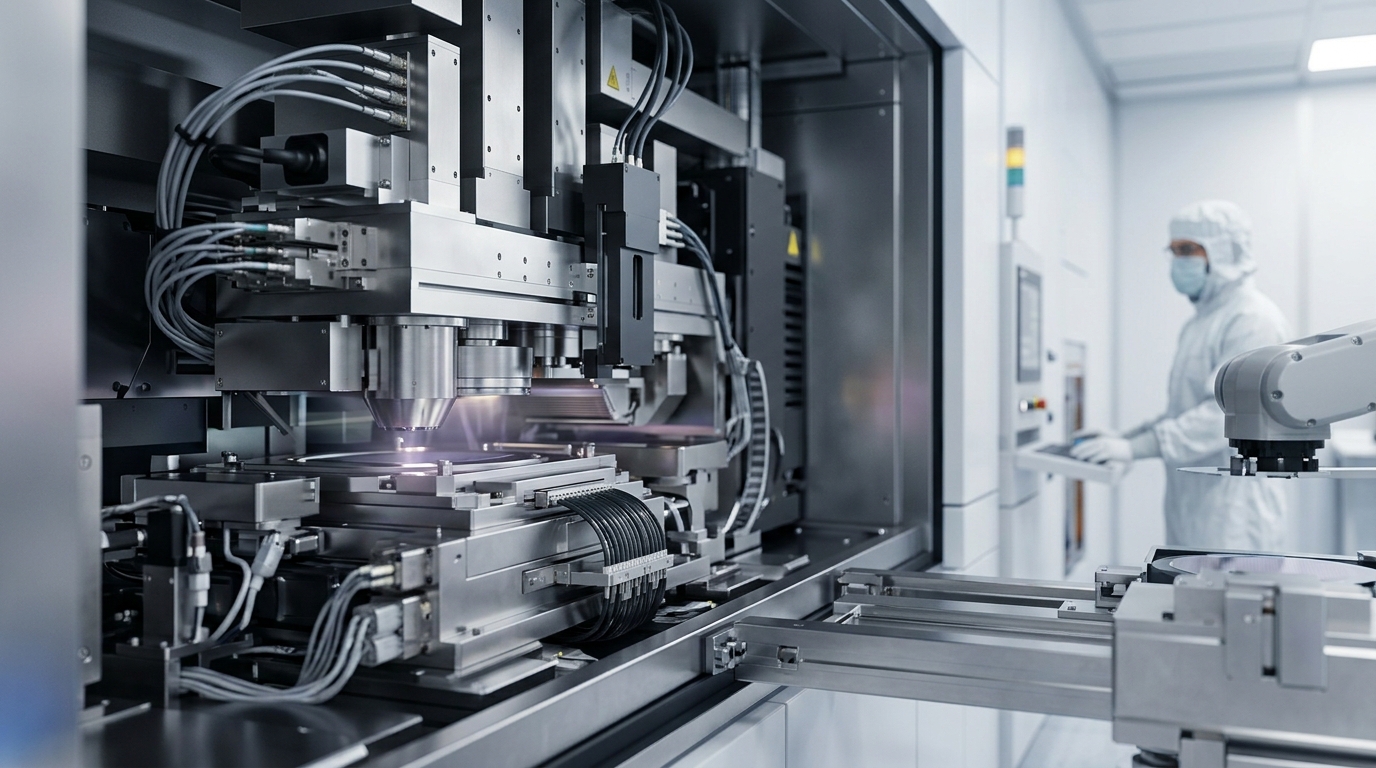
ASML controls roughly 90% of the lithography market for semiconductor manufacturing. The Dutch company is the world’s only maker of extreme ultraviolet lithography tools, which are essential for making cutting-edge chips. Bookings and backlog are expected to remain strong, supported by new commitments from TSMC, Samsung, and Intel amid the AI infrastructure boom.
ASML is planning to add 30% to its 2026 low-NA EUV capacity for 2027, and is investigating another 30% increase for 2028. The company plans to raise output to roughly 85 systems in 2027. CFO Roger Dassen has described that figure as a balance between what customers want and what ASML can build. Wednesday’s bookings will signal whether that equilibrium is holding or whether demand is running ahead of even the expanded plan.
Bull Case
ASML’s growth outlook remains closely tied to growing demand for advanced semiconductor capacity backed by AI infrastructure expansion. Growing demand for smaller, more advanced chips and high-performance memory is requiring chipmakers to use more sophisticated lithography technology, driving growth across ASML’s portfolio. Management expects 2026 advanced foundry logic revenues to rise about 25%, while memory revenue is projected to increase 75%. A strong bookings number Wednesday would reopen the 2027 estimate revision debate at exactly the moment TSMC’s own earnings call, scheduled for Thursday, could reinforce the demand signal.
Bear Case
The risks are real. The stock’s next move may depend on whether management commits to a further capacity expansion. A firm commitment would suggest AI chip demand still has years to run, while hesitation could mean ASML simply cannot expand that fast, or that customers are growing more cautious. Export controls on China remain a live variable. China’s share of sales has been elevated recently, and management has said it expects China to represent approximately 20% of total sales in 2026, down from roughly 33% in 2025.
What to Watch
Three things matter Wednesday morning. First, net bookings, full stop. Second, any update on 2028 capacity commitments beyond the previously flagged 30% increase under investigation. Third, gross margin: ASML guided for Q3 gross margin between 55% and 57%, and execution there tells investors how much pricing power the monopoly position actually confers when the order book is this full.
The $13.2 billion revenue line will answer a question nobody is really asking. Bookings will answer the one that matters: how much of the AI capacity story is actually contracted, not merely anticipated.