Friday closed the books on the worst week for semiconductor stocks since the April 2025 tariff turmoil. The Philadelphia Semiconductor Index fell 3.83% on October 16 and logged its eighth consecutive lower close, a run that has not been matched since October 2008. The index fell 15.7% from its October 6 close across those eight sessions.
The money against it has been positioned correctly for some time. Contrarian traders amassed an estimated $32 billion in gross paper gains over seven days, according to S3 Partners data compiled by Bloomberg. Twenty of the SOX’s 30 components slid more than 10% since the rout started. That is not a rotation. That is a liquidation of a consensus trade.
Why Long Bonds Stopped Helping
The macro backdrop made the damage worse because the usual shock absorber failed. Oil’s spike revived inflation risk, and with Fed Chair Kevin Warsh offering no guidance, long bonds no longer cushioned the fall. Warsh said in Bangkok that the Fed had “removed a dose of accommodation” but would not say what comes next. Futures cut October hike odds to about one in five, yet the 10-year held around 5.1% as stocks fell, with oil’s jump after a week of hot inflation data keeping bonds from rallying.
That dynamic matters for traders trying to time a reversal. When falling equity prices fail to pull capital into Treasuries, the hedging feedback loop that cushions tech drawdowns is broken. There is no automatic buyer waiting in duration.
Software Joining the Selloff Changes the Calculus
Software fell 4.8% on Friday, the same session chips logged their eighth straight loss. In a Yahoo Finance basket of 45 software stocks, 43 fell, erasing more than $260 billion in combined market value on the day. That breadth matters. When the selloff was confined to semiconductors, it read as hardware-specific positioning. When Salesforce, ServiceNow, and Atlassian all surrender gains and each drop more than 3%, while Twilio slides about 10%, the market is pricing the entire AI spending thesis, not just the picks-and-shovels layer.
The VIX surged more than 20% on Friday and ended just under 20. Traders are already positioned for the anxiety to persist: investors purchased November VIX calls that pay off if the index stays elevated, including 12,500 of the November 18, 23-strike calls for $1.1 million, wagering that the VIX will close above 23 by the third week of November.
Where the Unwind Continues, Where It Pauses
Applied Materials, Teradyne, and Lam Research each fell 16% to 18% over five days, the equipment names that carry both the highest AI capex sensitivity and some of the most stretched positioning heading into this month. These are the names where forced selling from momentum unwinds hits hardest. LRCX has no near-term catalyst to arrest a slide if institutional holders keep reducing.
Memory is a different read. The chip selloff started earlier this month as memory makers Micron and SK Hynix fell amid worries over Chinese competition. Micron is now down more than 14% on the streak. The structural demand case for HBM has not changed; what changed is the cost of funding AI buildouts, as illustrated by CoreWeave’s bonds carrying yields above 15%, with credit pricing implying a more than 60% chance of default within five years. MU at current levels starts to price in a demand miss that has not actually arrived yet.
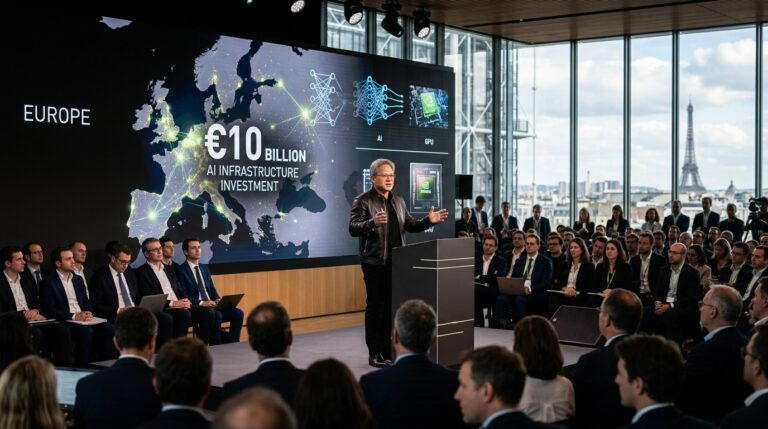
Nvidia sits in its own category. NVIDIA has fallen more than 11% from its 52-week high but remains the index’s largest constituent and the name institutional allocators are last to exit. The clearest near-term signal comes from Jensen Huang’s keynote at Nvidia GTC Berlin, scheduled for October 21. Any demand commentary there is the first genuine fundamental test of whether the AI pause is a sentiment event or something deeper.
Trader’s Action Plan
The Nasdaq booked its worst week since late June, falling about 4.5%, as investors grew more skeptical that heavily debt-funded AI expansion can stay profitable while borrowing costs remain elevated. That framing is the right one going into next week. The key variables are not price levels. They are the cost of AI debt, Warsh’s next move, and whether hyperscaler earnings due at month-end confirm or contradict the capex story the bond market is already doubting. Until one of those resolves, the path of least resistance for equipment names like LRCX and AMAT remains lower, memory names like MU deserve a closer look for an asymmetric long, and Nvidia’s GTC keynote is the single most important catalyst in the complex right now.