July 23, 2026
RTX Has a $271B Backlog. Today Is When It Has to Show It.
NATO rearming and the Hormuz war just made defense the most visible trade of Q2.
This Pre-IPO Stock is Up 4,000% Already
How do you follow 4,000% valuation growth? By preparing for an IPO.
That’s what Immersed did, reserving the NASDAQ ticker $IMRS. And the real opportunity for investors is now, before public markets do.
Why? Immersed changed the game in AR/VR, developing the Meta Quest store’s most popular productivity app. More than 1.5M people, including Fortune 500 teams, already use it up to 60 hours a week.
But that’s not all. Immersed’s soon-to-be-released Visor headset has 2M more pixels than Apple’s Vision Pro, for 70% less money, and with 70% less weight. No wonder they’re projecting $71M in first-year sales.
Here’s how they’re redefining the $250B+ future of work:
Breakthrough Platform: Immersed built the first full-stack remote productivity system, combining immersive AR/VR software, an AI assistant that works alongside you, and its own lightweight Visor headset to replace the traditional desktop.
Massive Momentum: Immersed is preparing to ship Visor, its first productivity-focused headset, with 75,000+ already on the waitlist. Meanwhile, its AI assistant, Curator, is rolling out new features to deepen user engagement and adoption.
Opportunity: You can join 9,500+ pre-IPO investors who have already secured early shares in Immersed’s growth.
They have partnerships in place with Qualcomm and Samsung. Executives and founders from Intel, Reddit, and Sailpoint are shareholders. You can be, too. But there’s no time to waste.
Hey there, bargain hunter.
Wars are good for defense contractors. That’s uncomfortable to say, but it’s the thesis behind RTX right now, and the company is slated to report Q2 2026 results before the open today (July 23, 2026).
Here’s what the setup looked like going in. RTX Corporation (NYSE: RTX) entered today sitting on a record $271 billion backlog, up about 25% year over year. The U.S. defense budget is now tracking above $1 trillion. NATO allies are rearming at a pace not seen since the Cold War. And Raytheon just booked a $1.1 billion U.S. Navy contract for AIM-9X Block II, with plans to expand output to roughly 2,500 missiles per year.
Q1 was already strong. Adjusted EPS came in at $1.78, beating the Zacks consensus of $1.52 by about 17%. Net sales climbed 9% to $22.1 billion. Management raised both revenue and EPS guidance after that quarter, lifting the adjusted sales range to $92.5 to $93.5 billion and EPS guidance to $6.70 to $6.90 for the full year. Free cash flow guidance was set at $8.25 to $8.75 billion.
The Q2 consensus heading into today was $1.66 EPS on about $22.87–$22.88 billion in revenue. The Street had held those estimates steady heading into the report. A stable estimate going into an earnings report from a defense company with a $271 billion backlog is either confidence or low expectations. The answer probably depends on what the margin story looks like.
RTX has beaten the Zacks consensus estimate in each of the trailing four quarters, with an average surprise of around 12.65%. That’s the kind of track record that eventually sets a high bar. Jefferies was running ahead of consensus heading in, with a Q2 segment-adjusted EPS estimate of $1.74 versus the $1.66 consensus.
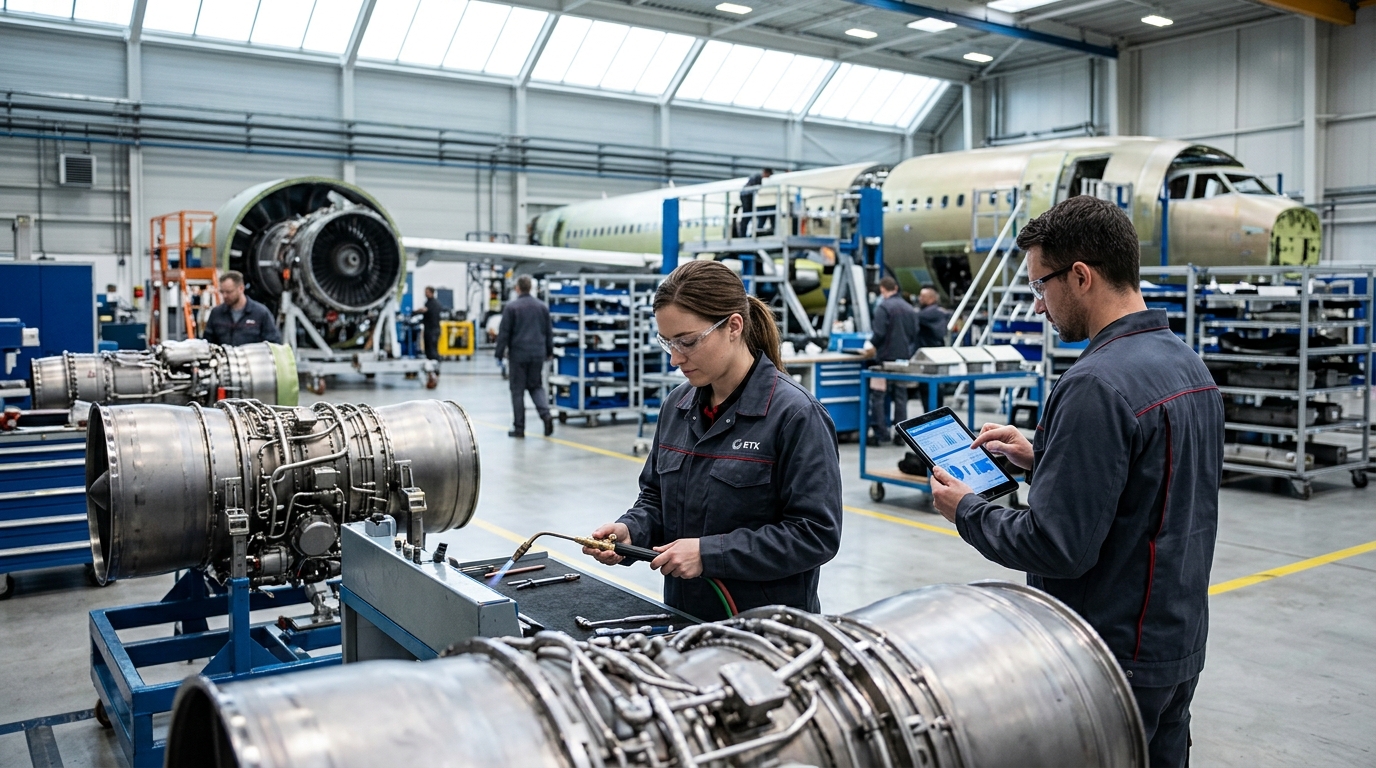
The business has three segments worth tracking separately. Raytheon covers missiles and sensors — Patriots, Tomahawks, AMRAAM, Stingers, Standard Missiles. That segment’s Q1 sales were up 10% year over year, driven by higher volume on land and air defense systems including Patriot and GEM-T, as well as higher volume on naval munitions programs. Pratt & Whitney covers jet engines, both military and commercial, with the GTF Advantage engine expected to enter service in 2026. Collins Aerospace covers avionics and interiors. Rising flight hours from continued growth in domestic and international air travel have been sustaining strong demand for commercial aircraft aftermarket services, and that is expected to have supported Collins and Pratt on the commercial side this quarter.
Here’s the thing that makes this more than just a defense beat story: RTX is both a defense company and a commercial aerospace company. Those two cycles don’t always align, and right now they’re both running. The commercial aftermarket business benefits from every additional flight hour globally. The defense business benefits from every ally that needs to replenish stockpiles. Getting both at once is unusual.
RTX and European partners, including Diehl Defence, are working to double Stinger production capacity to support NATO procurement needs. Five long-term framework agreements with the Pentagon covering Tomahawk, AMRAAM, and multiple Standard Missile variants have been announced. The timing of when those convert to funded, firm contracts will determine how fast they land in backlog numbers that investors can count.
The real risk isn’t demand. Supply chain constraints remain a near-term headwind and could continue affecting production schedules and delaying revenue recognition despite strong underlying orders. Tariff uncertainty adds friction. And the stock has already had a solid year — up about 6% to 7% year to date heading into today. Analyst mean price targets are clustering in the $215 to $220 range, which implies meaningful upside from current levels if guidance gets raised again this morning.
The numbers are out. What they say about whether the backlog is converting into cash flow — and whether management is willing to take guidance higher — is the only question that matters today. Everything else is already in the price.